

Earning More, Spending More, Borrowing Smarter: What’s Changed for Under-30s Since the Pandemic
· Under-30 consumers are choosing credit cards and BNPL, and rely less on high-cost short-term credit and overdrafts compared to their pre-pandemic counterparts
· Incomes among 18–30-year-olds have outpaced inflation, but housing is taking a bigger slice of the budget
· Fewer young consumers can afford mortgages: 6% of under-30s hold a mortgage in 2026, down from 10% in 2019.
Consumers under 30 years old are the future of UK lending: they’re a healthy economy’s most promising main source of growth and, as a group, are launching their careers and taking on broader financial responsibilities. They also serve as a crucial litmus test of whether financial education, financial opportunity and quality of life in the UK are improving.
These are among the findings of TransUnion’s new study, “Lending to Key Growth Segments: The Shifting Credit Preferences and Behaviours of Under 30s”, which was presented at its annual 2026 UK Summit.
The study compared consumers aged 18–30 from 2019 to 2026 and assessed their evolving financial needs, financial behaviours, credit preferences and access to credit. It set out to assess whether younger consumers are financially better or worse off now than before the pandemic and the more recent inflation shock, and how their borrowing behaviours and credit preferences are changing.
“Much of what we think we know about how younger consumers manage money and use credit was formed years ago, and their behaviour has changed considerably since. Views that held true in years past may no longer reflect today's under-30s, many of whom are in a strong financial position and managing their finances responsibly,” said James O’Donnell, director of research and consulting at TransUnion.
“Correcting these misconceptions is essential to enabling appropriate access to credit, which, alongside healthy management of personal finances, serves as a fundamental catalyst for financial empowerment, supporting everyday purchasing and enabling significant life milestones such as owning a car or home ownership.
“Furthermore, lenders can implement underwriting model enhancements with affordability trended data to more accurately assess risk among these borrowers,” he added.
Are Under-30s Financially Better or Worse Off Now Than They Were Pre-Pandemic?
To understand how younger consumers’ financial position has changed, the study assessed under-30s’ income and whether it has kept pace with rising prices. The consumer financial picture is more positive than many might expect. According to TransUnion’s consumer credit data, median take-home pay among 18–30-year-olds rose from £1,759 a month in Q1 2019 to £2,600 in Q1 2026, an increase of 48%. Over the same period, household prices (CPIH) rose by 31%.
Based on this analysis, under-30s’ income hasn’t just kept up with inflation; it has outpaced it. These gains have also reached every income level, while the lowest quartile of young earners has seen the biggest proportional increase, with take-home pay up 55%.
A rise in income hasn’t removed the pressure from young consumers though, and this is most evident in housing. Among younger consumers paying rent, rent payment in Q1 2026 used 52% of their income, up from 40% in the early stages of the interest rate hikes (Q1 2022). For those with a mortgage, payments took 49% of income on average in Q1 2026, up from 39% in Q1 2022. Both have eased slightly since 2025, when mortgage payments took 53% of income and rental took 55%, but remain well above 2022 levels.
Chart 1: Monthly Rent and Mortgage Payments as a Share of Post-Tax Income, 18–30-year-olds
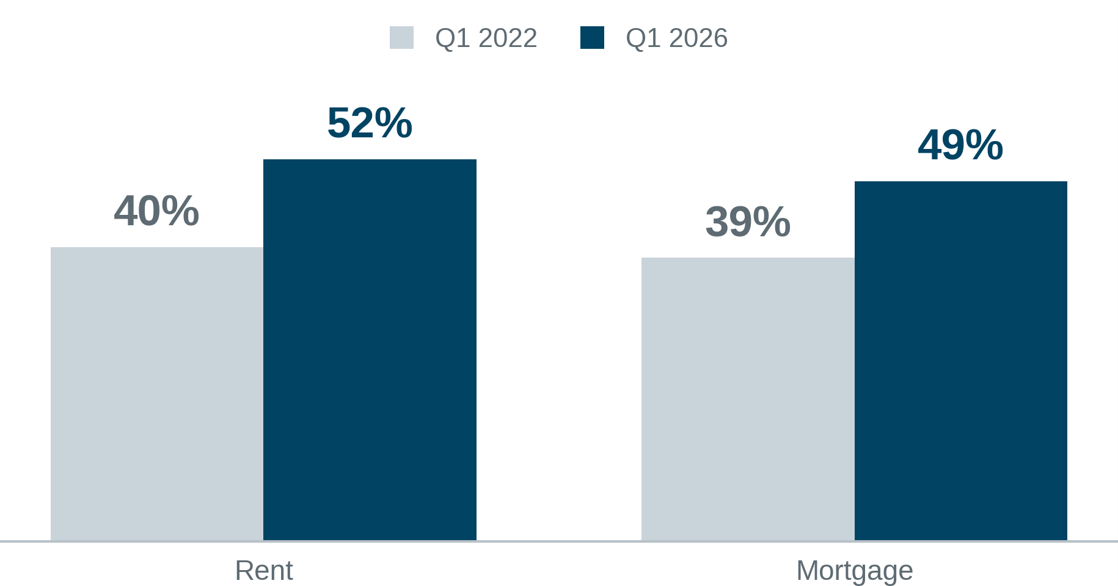
Note: This chart uses take-home pay (post-tax income) which is why the pressure appears more pronounced than if it were measured against gross income.
Source: TransUnion UK consumer credit data
Higher incomes also don’t mean that younger consumers are not in tight financial situations: around one in nine younger consumers (11.6%) have estimated monthly expenditure greater than their income. Lenders can track early risk signals among these consumers to ensure responsible access to credit. A weakening jobs market is adding to that pressure, with ONS figures showing unemployment among 18–24-year-olds rising to 14.4% in July, up from 11.6% this time last year.[1]
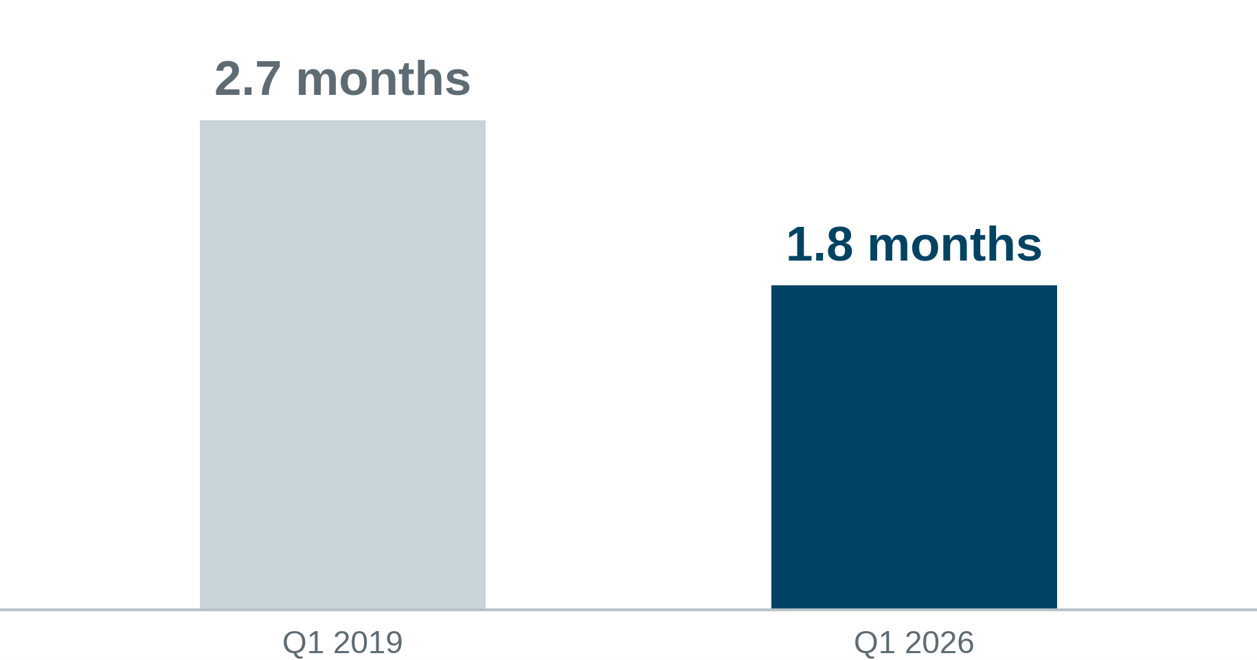
The TransUnion study shows that this financial pressure has not pushed younger consumers to excessively rely on credit to bridge the cost gap. Average unsecured debt per young borrower has risen since Q1 2023, when it was £4,545, but at £4,658 it remains below the £4,749 recorded in Q1 2019. With income growing much faster than borrowing, that debt equalled around 1.8 months of take-home pay in Q1 2026, down from 2.7 months in Q1 2019
Chart 2: Average Unsecured Debt per 18–30-Year-Old Borrower, in Months of Take-Home Pay
Source: TransUnion UK consumer credit data
Based on a consistent scoring methodology, average credit scores are also higher than in 2019 at every age from 18 to 30, with a difference of more than 30 points among consumers older than 21 across the cohorts. This is a further sign that housing pressure isn’t spilling over into how younger consumers manage credit or their overall creditworthiness.
Measured on these aspects, the study concluded that under-30 consumers are not worse off than before the pandemic. They earn significantly more in real terms, despite rising costs, and their unsecured debt load is lighter relative to income. Mortgage and housing costs are the exception to this trend, and a cooling jobs market for the youngest workers is a newer risk to watch, but so far neither is translating into heavier reliance on unsecured debt.
“Younger consumers are often portrayed as a generation in financial trouble, and when it comes to housing costs, that pressure is very real,” said O’Donnell. “But that pressure isn’t showing up in how they borrow. Their income has outpaced prices, and their debt burden is lighter relative to income than before the pandemic. Lenders should leverage these insights to enable broader and responsible access to eligible younger borrowers, which can lead to deeper lifetime relationships.”
How Do Younger Consumers’ Credit Preferences Compare to Their Pre-Pandemic Peers?
Younger consumers use credit differently now compared to their 2019 counterparts, as they use a noticeably different mix of credit, with most of the growth seen in flexible products linked to everyday spending.
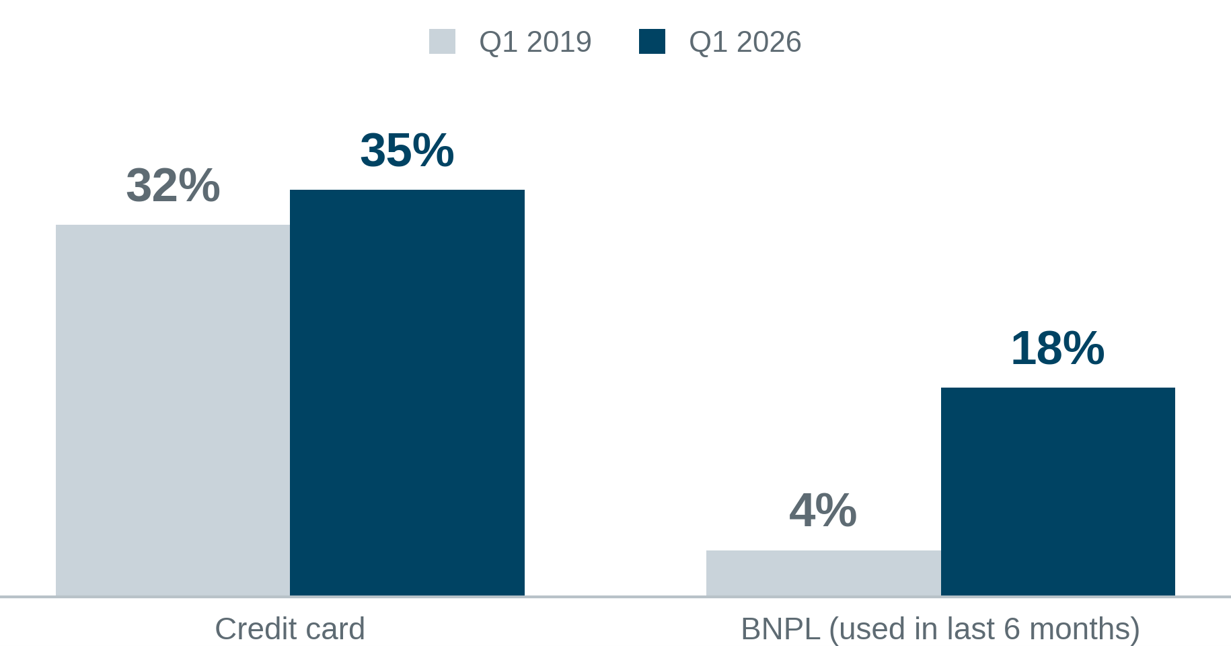
Almost one in five (18%) used buy now, pay later (BNPL) in the six months prior to January 2026, up from 4% in 2019. BNPL’s rise hasn’t come at the expense of credit cards, though. The share of younger consumers holding a card has risen from 32% to 35% over the same period. New card openings have also reached historically high levels. Under-30s opened 750,000 new credit cards in Q1 2026, nearly double the 404,000 in Q1 2019, marking a significant increase in credit uptake and access among younger consumers.
Chart 3: Share of 18–30-Year-Olds Holding Credit Cards or BNPL
Source: TransUnion UK consumer credit data
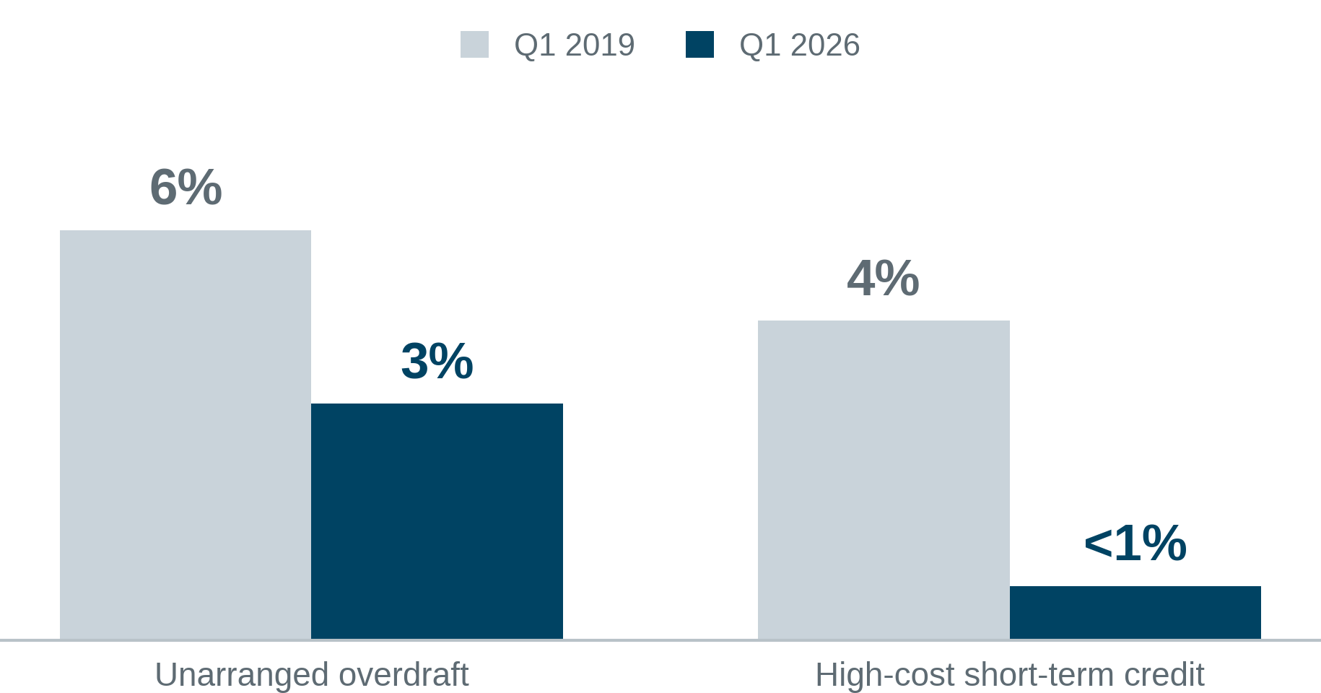
The change in the use of high-cost short-term credit (HCSTC) is just as striking, and arguably more encouraging: fewer younger consumers are using HCSTC, which is generally the most expensive form of credit. The share with an unarranged overdraft has halved, from 6% to 3%, and the share that hold products like payday loans has fallen from 4% to under 1%.
Tighter regulator standards are likely behind this shift, along with more widespread credit education and financial awareness among today’s younger consumers, and greater access to lower-cost alternatives, as shared by consumers in TransUnion’s quarterly Consumer Pulse Studies. Combined with stronger incomes, these changes leave younger consumers far less exposed to credit that is often costlier and harder to manage.
Chart 4: Share of 18–30-Year-Olds Holding HCSTC or Unarranged Overdrafts
Source: TransUnion UK consumer credit data
Mortgages tell a less encouraging story. Among under 30s (18 to 29 year olds), the average proportion of consumers holding a mortgage was just 6% down from 10% in 2019. However, by the age of 30 more consumers have taken on a mortgage (15% in 2026), but that too has fallen drastically from 23% of 30-year-olds in 2019. Higher interest rates have made mortgages more expensive and, because eligibility criteria are designed to protect consumers, rising rates mean fewer younger consumers qualify for a mortgage, whether they want one or not. With housing already taking around half of income for those paying rent or a mortgage, the route to home ownership is clearly more challenging for this cohort.
“This isn’t a generation borrowing recklessly and, with incomes seeing strong growth, they’re not borrowing to make ends meet either. Our Consumer Pulse Studies reveal a more financially aware generation that is borrowing differently and generally more responsibly,” said O’Donnell. “They’re moving towards flexible credit linked to everyday spending and away from the most expensive forms of borrowing. That’s partly down to changing economic circumstances and partly down to greater awareness. Lenders that understand these new habits and build relationships early will be best placed to support younger consumers as they work towards bigger milestones, while building long-term loyal relationships.
Notes:
1 ONS A01: Summary of labour market statistics

